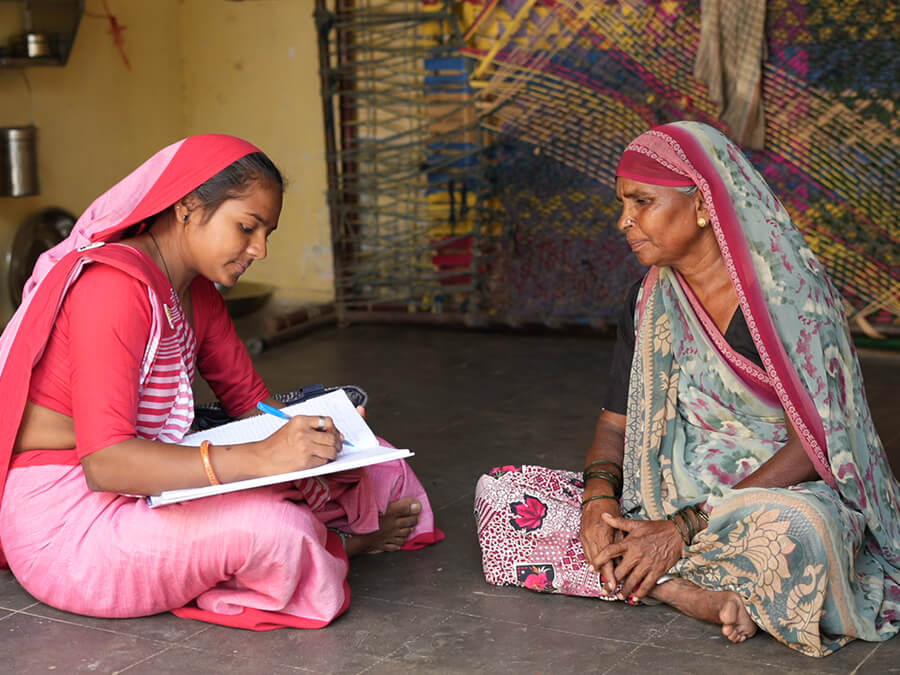
Advanced Research in Women Development
Advanced research in women’s development focuses on understanding and addressing the multifaceted challenges women face in contemporary society. It explores areas like gender inequality, access to education, healthcare, economic participation and political representation. Researchers analyze the impact of cultural, social and economic factors on women’s roles and opportunities, seeking to identify barriers to their full participation in society. This research often involves interdisciplinary approaches, integrating sociology, economics, psychology and political science. It examines policies and practices that can empower women and promote gender equality at local, national and global levels. Advanced studies also explore the intersectionality of gender with race, class and other identities, highlighting the unique experiences of women in diverse contexts. Scholars investigate the effectiveness of legal frameworks, social movements and community-based initiatives aimed at improving women’s rights and status. Research in women’s development emphasizes the importance of addressing violence against women, promoting reproductive rights and ensuring economic independence. This field also focuses on leadership and representation in various sectors, advocating for increased participation of women in decision-making processes. It seeks to understand how changing societal norms and technological advancements affect women’s lives, particularly in terms of digital literacy and access to technology. Overall, advanced research in women’s development contributes to shaping policies and creating strategies that foster gender equality and enhance the well-being of women across the globe.